
Cloud Engineering for Reliable and Cost-Efficient Systems
Cloud enables flexibility and scale — but only when it’s implemented and managed correctly.
We design, build, and improve cloud environments to support reliable systems, efficient operations, and controlled costs.
What is cloud engineering?
Cloud engineering covers cloud strategy, cloud-native development, migration, and ongoing infrastructure optimisation. At Q, we treat cloud as part of product delivery, designing environments around real system needs to balance performance, reliability, scalability, and cost without unnecessary complexity.
WHAT WE DO
Our cloud engineering services focus on building and improving cloud environments that are reliable, efficient, and aligned with real system and business needs.

Cloud Strategy and Consulting
A clear direction for how cloud should support your systems, including architecture choices, service selection, and a practical roadmap aligned with your current setup and future needs.
Cloud Cost Optimisation
Analysis and optimisation of infrastructure usage, helping reduce unnecessary costs while maintaining system performance and availability.
Cloud-Native Development
Applications designed to run efficiently in cloud environments, using architectures and patterns that improve scalability, resilience, and maintainability.
Migration and Modernisation
A structured approach to moving existing systems to the cloud or improving current setups, minimising disruption while improving performance.
Selected infrastructure and cloud-related projects
These projects reflect work on system architecture, infrastructure, and performance — areas where cloud engineering plays a key role.


OPTIMISING INFRASTRUCTURE FOR A HIGH-TRAFFIC DIGITAL PLATFORM
Improving system architecture, performance, and infrastructure to support scalable content delivery and stable operation under high traffic conditions.
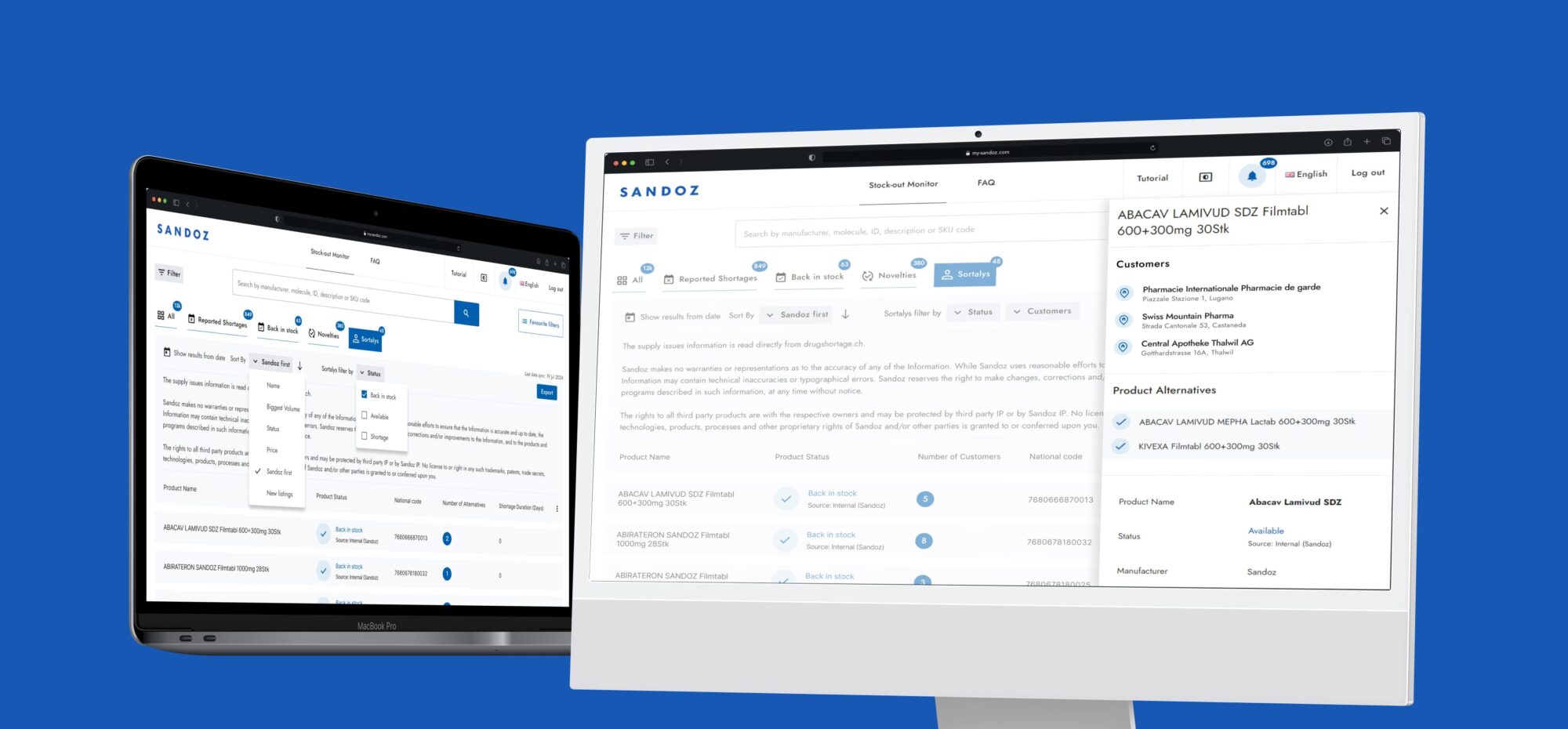

IMPROVING SYSTEM ARCHITECTURE FOR REAL-TIME DRUG AVAILABILITY
Enhancing backend systems, integrations, and infrastructure to ensure reliable, real-time data flow across multiple markets.
How cloud engineering Works
Understand the Current Setup and Goals
We start by understanding your existing systems, infrastructure, usage patterns, and constraints, along with the goals for performance, scalability, and cost.
Define the Cloud Approach
We design a cloud strategy and architecture that fits your system requirements, including service selection, environment structure, and deployment approach.
Build or Improve the Environment
We implement cloud-native solutions or improve existing infrastructure, focusing on performance, reliability, and maintainability.
Migrate and OptimiSe
We move workloads where needed and continuously improve configurations, usage patterns, and resource allocation to balance performance and cost.
StabiliSe and Manage the Environment
We ensure systems run reliably in production, with proper monitoring, scaling, and operational practices in place.


WHEN TO INVEST IN cloud engineering
Cloud engineering has the biggest impact when infrastructure and system setup start limiting performance, reliability, or cost control.
Moving to the Cloud for the First Time
When existing systems need to be migrated to a more flexible and manageable environment.
Improving Performance and Reliability
When infrastructure limitations affect system stability, response times, or uptime.
Building Cloud-Native Systems
When new applications need to be designed specifically for cloud environments to ensure scalability and resilience.
Modernising Existing Cloud Infrastructure
When current cloud setups are inefficient, hard to manage, or not aligned with system needs.
Optimising Cloud Costs
When cloud spending grows without clear visibility or control.
Supporting Ongoing Product Growth
When infrastructure needs to adapt to increasing usage, new features, and evolving system requirements.
From ISO to AWS, we got it
Quality & reliability
We pride ourselves on delivering top-tier quality and reliability, backed by our AWS Select Tier partnership and recognition by Clutch as one of the top 15 companies in our field. Our commitment is reinforced through ISO-certified standards in quality, security, and privacy – ensuring our clients receive services that are consistently secure, compliant, and dependable.


Partner with us
Could your cloud perform better and cost less?
FAQ
Can you work with existing cloud environments?
Yes. We often improve and optimise existing cloud setups, not just build new ones, focusing on performance, reliability, and cost efficiency.
How do you approach cloud migration?
Migration is planned and executed in stages, minimising disruption and ensuring systems remain stable and operational throughout the process.
How do you control cloud costs?
We analyse how infrastructure is actually used, identify inefficiencies, and adjust configurations to reduce unnecessary costs — without compromising system performance or reliability.