
Fixed Scope AND Price for predictable Projects


Build your product with clearly defined scope, timeline, and budget.
What is a fixed price and scope project
A fixed scope project is a software development model where requirements, deliverables, timeline, and budget are agreed upfront before development begins. It works best when the scope is clear, priorities are unlikely to change, and you need a predictable path to delivery with minimal deviation during execution.
When To Choose This Model
A fixed scope project is the right choice when you need predictability across budget, timeline, and deliverables — and when the project can be clearly defined before development starts.

Your Requirements Are Stable
You already know what needs to be built, and the scope is unlikely to change significantly during delivery.
You Prefer a Waterfall Approach
You want a structured project with clearly defined phases, milestones, and limited changes once execution begins.
You Need To Move Faster
When timelines are tight and internal capacity isn’t enough to hit key milestones.
Predictability Matters More Than Flexibility
You want all major project decisions made upfront to reduce uncertainty during development.
Longer Time-to-Market Is Acceptable
You are willing to invest more time in planning and validation to gain greater clarity and control before launch.
Security and Change Control Are Critical
Iterative changes are limited, and governance, compliance, or approval processes require tighter control.
Proven Results from Fixed Scope Projects
Discover how organisations turned clearly defined requirements into successful digital products, delivered on time, within budget, and with confidence from day one.
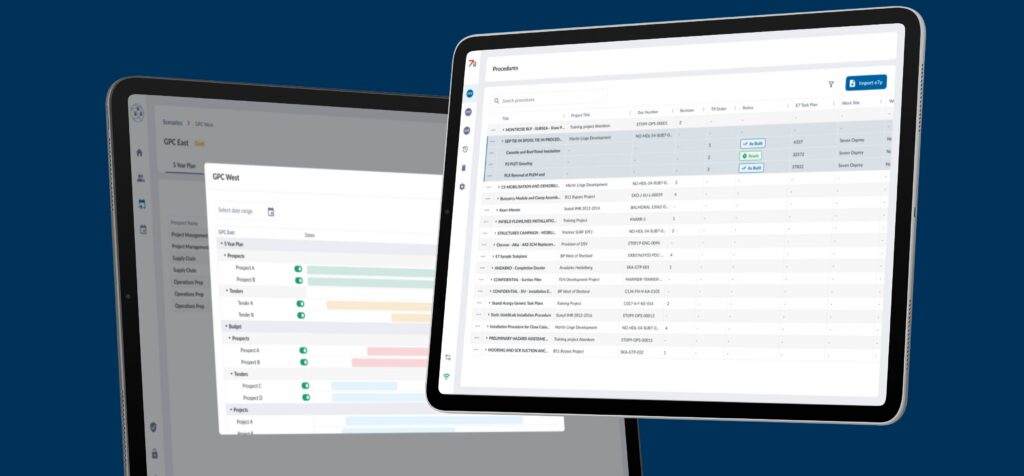

Digital transformation of the leading global supplier in the energy industry
How a clearly defined scope and structured delivery enabled Subsea7 to launch a reliable digital solution on time and within budget.
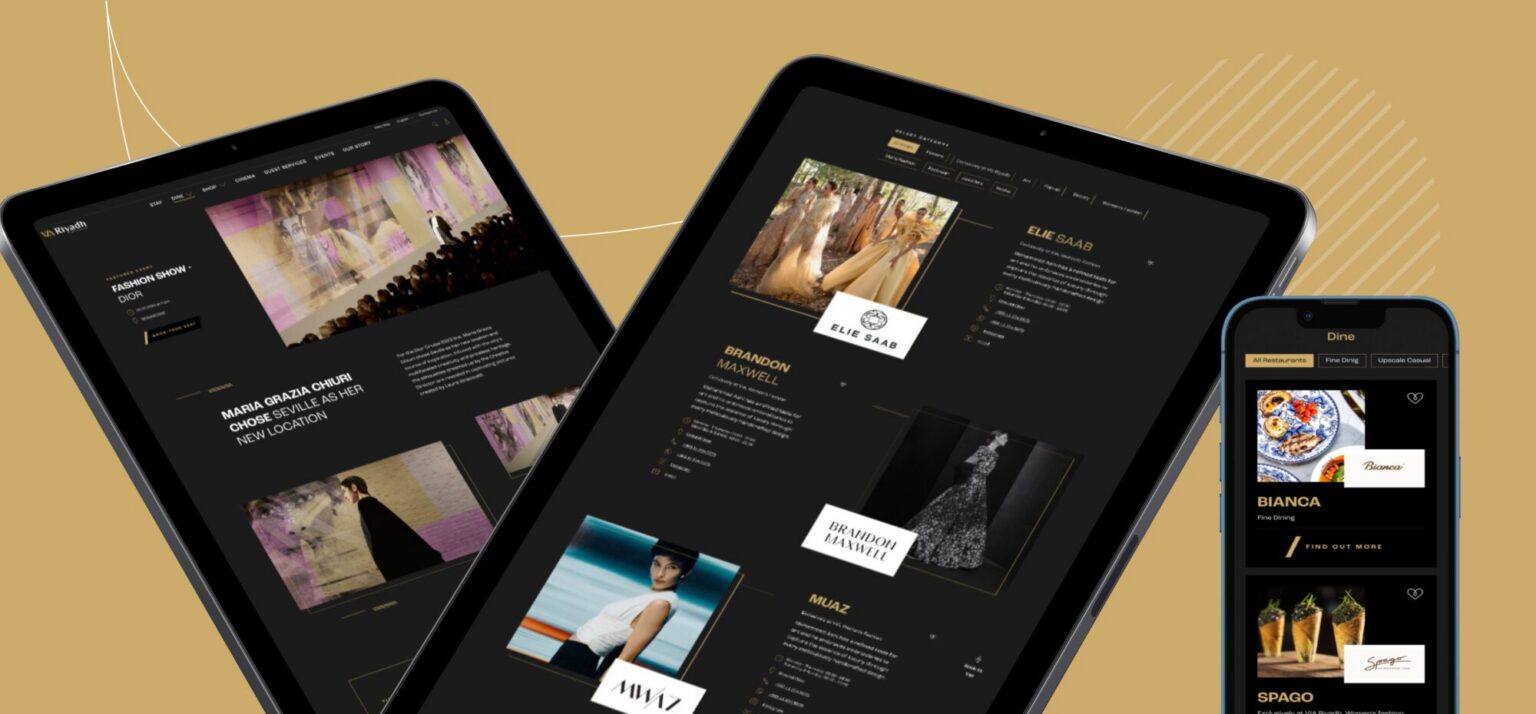

Building the website and mobile app for the world’s premier luxury destination
A clearly defined scope and structured delivery enabled Sela to launch a web and mobile experience for Via Riyadh under tight deadlines.
How this model works
A fixed-scope project follows a structured, predictable process from discovery to launch. Each phase has clearly defined deliverables, helping keep timelines, budgets, and expectations aligned.
01
Discovery
We start by understanding your business goals, project context, and requirements in depth. Even when SRS or BRD documentation already exists, this phase helps validate assumptions and define deliverables more precisely.
04
Development
Our team builds the product according to the agreed scope and specifications, following established coding standards and engineering best practices to ensure a robust and scalable solution.
02
Planning
Based on the discovery findings, we create a clear project roadmap with timeline, milestones, and resource allocation. This ensures all stakeholders are aligned before execution begins.
05
Testing
We validate the product against the defined requirements through functional, security, and performance testing. This ensures the solution is reliable, secure, and ready for release.
03
Design
We translate requirements into wireframes, mockups, and prototypes that visualise the final product. This helps align stakeholders early and refine the user experience before development starts.
06
Deployment and Support
We deploy the product to production and, where a support agreement is in place, provide ongoing maintenance and support.
Roles and technologies you can get
You can choose from a wide range of roles, from software engineers and QA specialists to product and design experts.
Back-End Software
- PHP
- nodeJS
- .NET
- Java
- Python
AI, ML and Data
- Python
- Spark
- R
- AWS
- PyTorch
- LlamaIndex
- LangChain
- LabelStudio
Front-End Software
- React/Next
- Angular
- Flutter
- Vue.js
CMS
- WordPress
- Shopware
- Strapi
- Drupal
- Contentful
- Sanity
- OutSystems
Mobile Application
- Flutter
- Swift
- Kotlin
Product Design
- Figma
- Sketch
- Adobe Creative Cloud (Photoshop, Illustrator, After Effects)
- Cursor
- Visual Studio Code
- AI-assisted Design Workflows
- Prototyping & Design Systems
Cloud Infrastructure
- AWS
- Microsoft
- Azure
- Google Cloud Platform
- Kubernetes
- OpenShift
- AWS Lambda
- Client-hosted & On-Premises Environments
From ISO to AWS, we got it
Quality & reliability
We pride ourselves on delivering top-tier quality and reliability, backed by our AWS Select Tier partnership and recognition by Clutch as one of the top 15 companies in our field. Our commitment is reinforced through ISO-certified standards in quality, security, and privacy – ensuring our clients receive services that are consistently secure, compliant, and dependable.


Q in Numbers
A snapshot of the metrics that reflect how we build, deliver, and support successful digital products.
+65%
Senior Experts
300+
IT Professionals
2000+
Talent Pool Across 5 Countries
9.3/10
Client Satisfaction Rate
4.8/5
Clutch Score with 30+ reviews
4x
Voted Croatia’s Best Employer
Partner with us
Need a software project with clear scope, budget, and timeline?
FAQ
What is the difference between fixed scope and time and materials?
With fixed scope, the requirements, budget, and timeline are agreed in advance. With time and materials, the scope can evolve over time, which gives more flexibility but less predictability.
What happens if requirements change during a fixed scope project?
Any changes to the agreed scope are handled through a formal change request process. This includes impact assessment on timeline, budget, and deliverables before implementation. Minor adjustments may be accommodated if balanced within the existing scope, but larger changes require re-estimation.
How involved do I need to be during the project?
Your involvement is highest during the discovery and planning phases, where requirements are defined and validated. During development, involvement is typically reduced to milestone reviews, feedback, and approvals.