One SDLC, Three Realities: Navigating Enterprise Software Delivery Across Teams
July 10, 2025 — 8 min read

From foundations to fixes, this is how production, dedicated, and support teams shape the software development life cycle (SDLC) across enterprise projects.
In large-scale enterprise environments, software development is never one-size-fits-all, and neither is the way teams interact with the Software Development Life Cycle. For a project manager, one of the most critical (and often underappreciated) aspects of the role is understanding how different teams experience and influence the SDLC and how that disparity impacts delivery, collaboration, and outcomes.
This blog provides insights into how SDLC practices and visibility vary across three common types of teams in enterprise settings: the Dedicated Development Team, the Production Team, and the Support Team. Each works under very different conditions, and Project Managers adjust their approach to ensure efficiency and cohesion across these teams.
The Software Development Life Cycle (SDLC) is the structured process enterprises use to build, test, deploy, and maintain software. Whether the team follows Waterfall, Agile, SAFe, or hybrid models, SDLC provides a repeatable framework for delivering value.
But here’s the catch: not all teams interact with the SDLC in the same way. In fact, many enterprise teams operate with vastly different levels of access to documentation, decision-making power, and process transparency.
“We build and evolve projects, but we follow the client’s playbook.”
What they do:
These are skilled development teams with access to client documentation and processes. They are responsible for building new features, maintaining modules, and launching new projects. However, while they operate within the defined SDLC of the client, they are often not decision-makers in how that process is structured.
More examples of our Dedicated teams and how they operate can be found in the case studies:
Project Manager’s perspective:
Key strategies for the Project Manager:
“We define, build, and shape the process.”
What they do:
Production teams are responsible for developing solutions from the ground up. They typically have a clear understanding of the SDLC, collaborate closely with architects and stakeholders, and are empowered to influence and adapt the process itself.
Case studies for our production teams are available on these links:
Project Manager’s perspective:
Key strategies:
“We’re the firefighters — but don’t ask us how the building was made.”
What they do:
Support teams work on post-launch issues and smaller updates: bug fixes, hot patches, and minor enhancements. They usually don’t have deep visibility into the client’s SDLC, and have limited context on design decisions or architectural choices. This is why the handover process from a Dedicated or Production team is crucial for the Support team, especially for big milestone decisions such as scope, architecture and release limitations.
Examples of projects that were handed over to support teams after a successful production launch are available in the following case studies:
Project Manager’s perspective:
Key strategies:
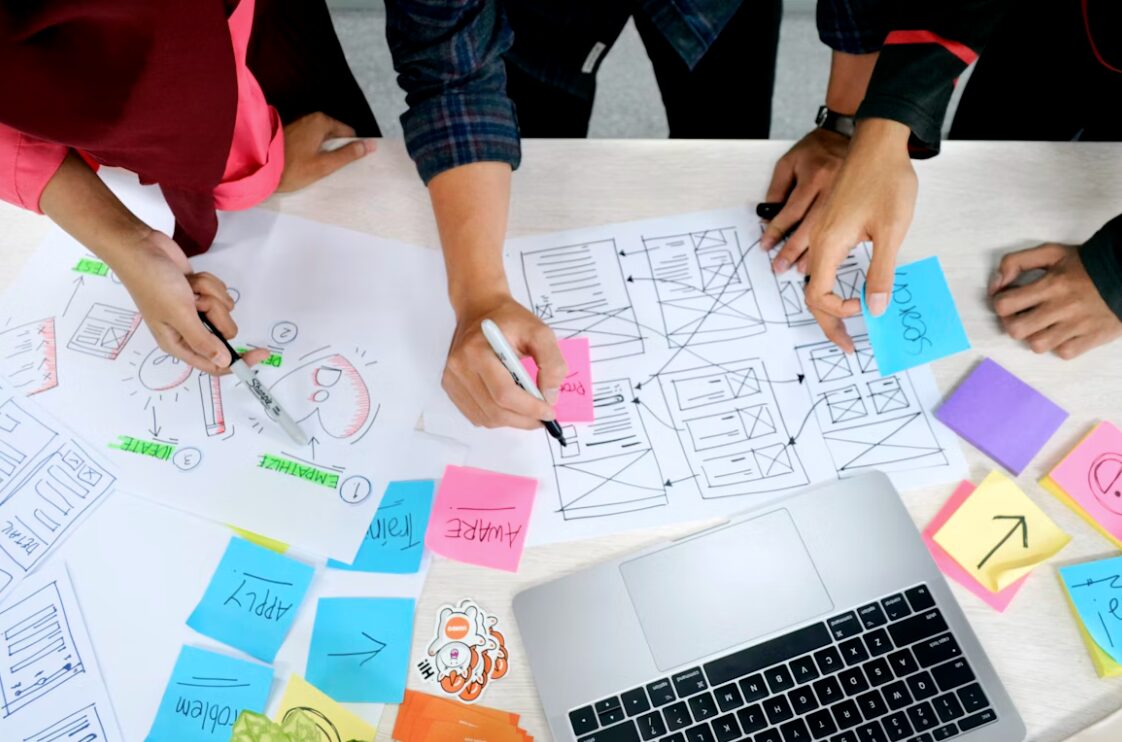
For project managers, understanding the nuances between teams is key to managing expectations, improving collaboration, and delivering consistent results. Below is a breakdown of best practices, common challenges, and key comparisons between the three teams.
Best Practices by Team
| Team | Best Practices |
| Dedicated Development | – Maintain up-to-date documentation and onboarding material. – Conduct regular sprint reviews and demos to stay aligned with the client. – Foster feedback loops even without direct decision-making control. – Use internal retrospectives to improve process adherence. |
| Production | – Invest in automation early (CI/CD, test pipelines). – Use iterative planning and retrospectives to fine-tune the SDLC. – Include business and technical stakeholders in backlog grooming. – Pilot new SDLC improvements and document outcomes. |
| Support | – Implement RCA (Root Cause Analysis) templates and maintain an issue resolution log. – Prioritise backlog hygiene and ticket quality. – Establish clear SLAs and incident response processes. – Share knowledge with the Dedicated/Production teams. |
Common Pain Points
| Team | Pain Points |
| Dedicated Development | – Limited visibility into broader product goals or business logic. – Dependency on the client for clarity, often leading to delays. – Misalignment between internal agile execution and external waterfall planning. |
| Production | – Risk of over-engineering or process bloat. – Balancing agility with governance in large enterprise settings. – Managing early-stage uncertainty while building scalable solutions. |
| Support | – Limited system context or rationale behind legacy decisions. – Pressure to fix issues without comprehensive documentation or access to source teams. – Reactive workload with little room for process improvement. |
Key Differences Across Teams
| Team Type | SDLC Visibility | Process Influence | Work Nature | Stakeholder Access | Documentation Use |
| Dedicated Dev | Moderate (execution-focused) | Limited | Feature-driven, planned | Indirect | Consumes and maintains |
| Production | High (participates in definition/evolution) | Significant | Visionary, structured planning | Direct (shapes requirements) | Creates foundational docs and standards |
| Support | Low (isolated from origin) | Very limited | Reactive, issue-driven | Minimal | Lacks or builds ad-hoc |
What about similarities across teams?
Despite their different roles, these teams share some common traits:
When managing cross-functional teams in an enterprise environment, Project Manager’s role becomes more than just a schedule-keeper. The Project Manager becomes a process interpreter and unifier.
A way to approach:
| Team | Visibility | Influence | PM’s Role |
| Dedicated | Moderate | Low | Advocate for clarity, sync, and inclusion in planning. |
| Production | High | High | Facilitate experimentation, validate process improvements, align with business value. |
| Support | Low | Minimal | Provide structure, push for documentation, and structure the handover session to give as much information about the project and client. |
In all cases, Project Manager’s goal should focus on answering the following:
“How can I make this team’s work more visible, more valuable, and more connected to the enterprise mission?”
As project managers, our job isn’t just to enforce a process — it’s to make the process meaningful and accessible to everyone. That means:
When tailoring the approach to each team’s reality, Project Managers do more than deliver projects. They build sustainable systems of delivery.
Project Managers can’t manage what they don’t understand — and no two teams live the SDLC the same way
So it is important to walk in the team’s shoes.
Because when teams align these realities, Project Managers don’t just manage projects better. They create systems that support humans, not the other way around.

Project Manager and Project Delivery Team Lead looking after the PM triangle but seeing much more than just budget, scope, and timeline. A happy team is a productive team and people are the key to the project’s success. That is why I like exploring the human aspect of Project Management and its effect on the overall project output.
Partner with us