
Re-architecting & Modernisation for Reliable and Maintainable Systems
Legacy systems often work — but make change slow, risky, and expensive. We modernise software through architecture redesign, refactoring, and infrastructure upgrades, creating systems that are easier to maintain, scale, and evolve.
What is re-architecting and modernisation
Re-architecting and modernisation improve existing systems so they can better support change, reliability, and ongoing delivery — through architecture redesign, infrastructure upgrades, and simplification of complex integrations.
Selected re-architecting and moderniSation projects
Our design work spans consumer products, enterprise tools, operational platforms, and mobile experiences. These projects show the range of products we design and the kinds of teams we work best with.
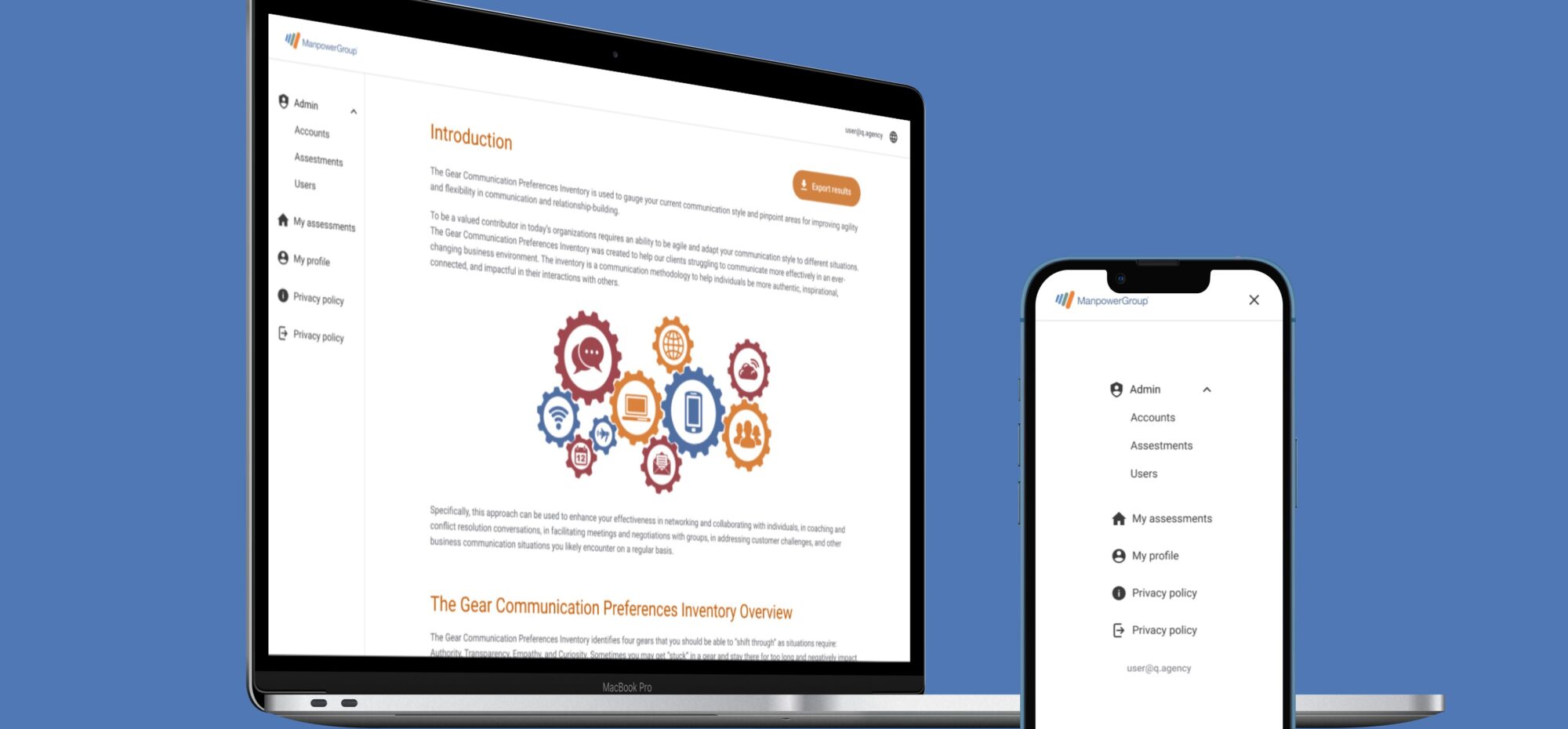

RE-ARCHITECTING A LEGACY EMPLOYMENT PLATFORM FOR HIGH-VOLUME OPERATIONS
Migrating legacy data, improving system structure, and enhancing workflows to create a more reliable and maintainable platform for ongoing product development.
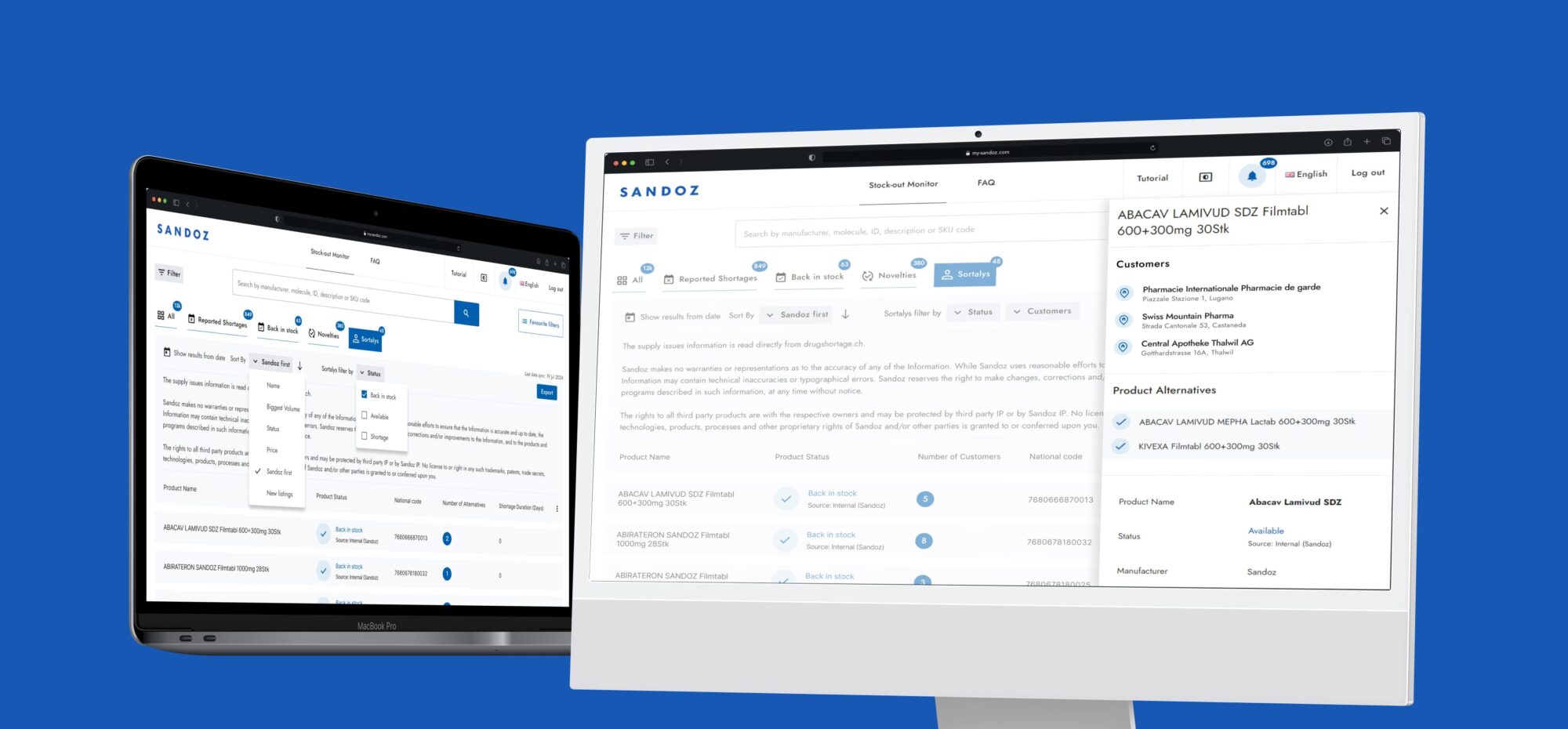

MODERNISING A DATA PLATFORM FOR REAL-TIME DRUG SUPPLY ACROSS multiple MARKETS
Upgrading backend and frontend systems, improving architecture, and refining integrations to support reliable, real-time data delivery in a multi-market environment.
What you get
Our re-architecting and modernisation services help turn hard-to-change systems into software that is easier to evolve, operate, and scale over time.
Legacy System Assessment
A clear view of the system landscape, including architectural weaknesses, technical debt, operational risks, dependencies, and areas creating the most friction for delivery and maintenance.
Cloud Migration
Migration planning and execution that moves workloads toward more flexible, resilient, and better-managed cloud environments without disrupting critical operations.
Modern Architecture Blueprint
A practical target-state architecture that defines how systems should be structured, integrated, secured, and evolved — giving teams a clear path from the current setup to a more maintainable future state.
Refactoring and API Unification
Codebase improvements and interface standardisation that reduce duplication, simplify integrations, and make services easier to maintain and reuse across the wider system.
Application Modernisation
A structured plan to improve or rebuild parts of the application stack so the system becomes easier to maintain, extend, and adapt to changing business needs without slowing down future development.
Infrastructure Modernisation
Upgraded environments, deployment pipelines, and operational foundations that improve reliability, security, observability, release readiness, and day-to-day platform stability.



How Re-architecting & Modernisation Works
01
Assess the Current System
We begin by understanding the existing architecture, application landscape, integrations, infrastructure, and delivery setup. This helps identify technical debt, structural bottlenecks, operational risks, and the constraints affecting future change.
02
Define the Target Architecture
Based on the assessment, we design a modernisation approach and target architecture that fits both the current business reality and long-term technical needs. This includes application boundaries, APIs, infrastructure direction, and migration priorities.
03
Prioritise What to Modernise First
Not everything needs to change at once. We identify the parts of the system where modernisation will reduce the most risk, improve maintainability, or unlock the greatest operational and product value.
04
Modernise Incrementally
We refactor, migrate, consolidate, and improve systems in controlled steps — reducing disruption while steadily moving the architecture toward a more reliable and manageable state.
05
Stabilise, Operate, and Evolve
Once the core improvements are in place, we support ongoing stabilisation, infrastructure improvements, and further architectural evolution to ensure the system stays reliable in production and easier to develop over time.
From ISO to AWS, we got it
Quality & reliability
We pride ourselves on delivering top-tier quality and reliability, backed by our AWS Select Tier partnership and recognition by Clutch as one of the top 15 companies in our field. Our commitment is reinforced through ISO-certified standards in quality, security, and privacy – ensuring our clients receive services that are consistently secure, compliant, and dependable.


When to Invest in Re-architecting & Modernisation
Re-architecting and modernisation have the biggest impact when systems still support the business, but no longer support reliable delivery or efficient change.
Modernising a Legacy System
When an existing platform remains business-critical, but its architecture, dependencies, or delivery model make it hard to maintain or improve.
Simplifying Integrations and APIs
When disconnected interfaces, duplicated endpoints, or inconsistent service boundaries make systems harder to evolve and maintain.
Reducing Technical Debt
When accumulated shortcuts, outdated patterns, and fragmented logic begin to slow delivery, increase risk, or consume too much engineering effort.
Improving Operational Reliability
When incidents, fragile deployments, performance issues, or poor observability indicate that infrastructure and application foundations need to be upgraded.
Preparing for Cloud Migration
When moving to modern infrastructure requires architectural cleanup, service redesign, or a better-defined operational foundation.
Creating a Stronger Foundation for Future Change
When the current system limits new features, expansion, or product evolution and needs a more sustainable architecture to support what comes next.
Partner with us
Looking to moderniSe a system that no longer supports change efficiently?
FAQ
How do you decide whether a system should be modernised or rebuilt?
That depends on the condition of the current system, the level of technical debt, business criticality, delivery constraints, and how much value can realistically be preserved. In many cases, targeted modernisation is more effective than a full rebuild.
Can modernisation happen without disrupting business operations?
Yes. Modernisation is typically done incrementally, with priorities defined around risk, dependencies, and operational continuity, so critical business processes can continue while the system evolves.
What is the difference between refactoring and re-architecting?
Refactoring improves the internal structure of existing code without fundamentally changing the system design. Re-architecting addresses the broader system structure — including service boundaries, integrations, infrastructure, and how the system is designed to evolve.